
The Moment That Made All the Work Worth It
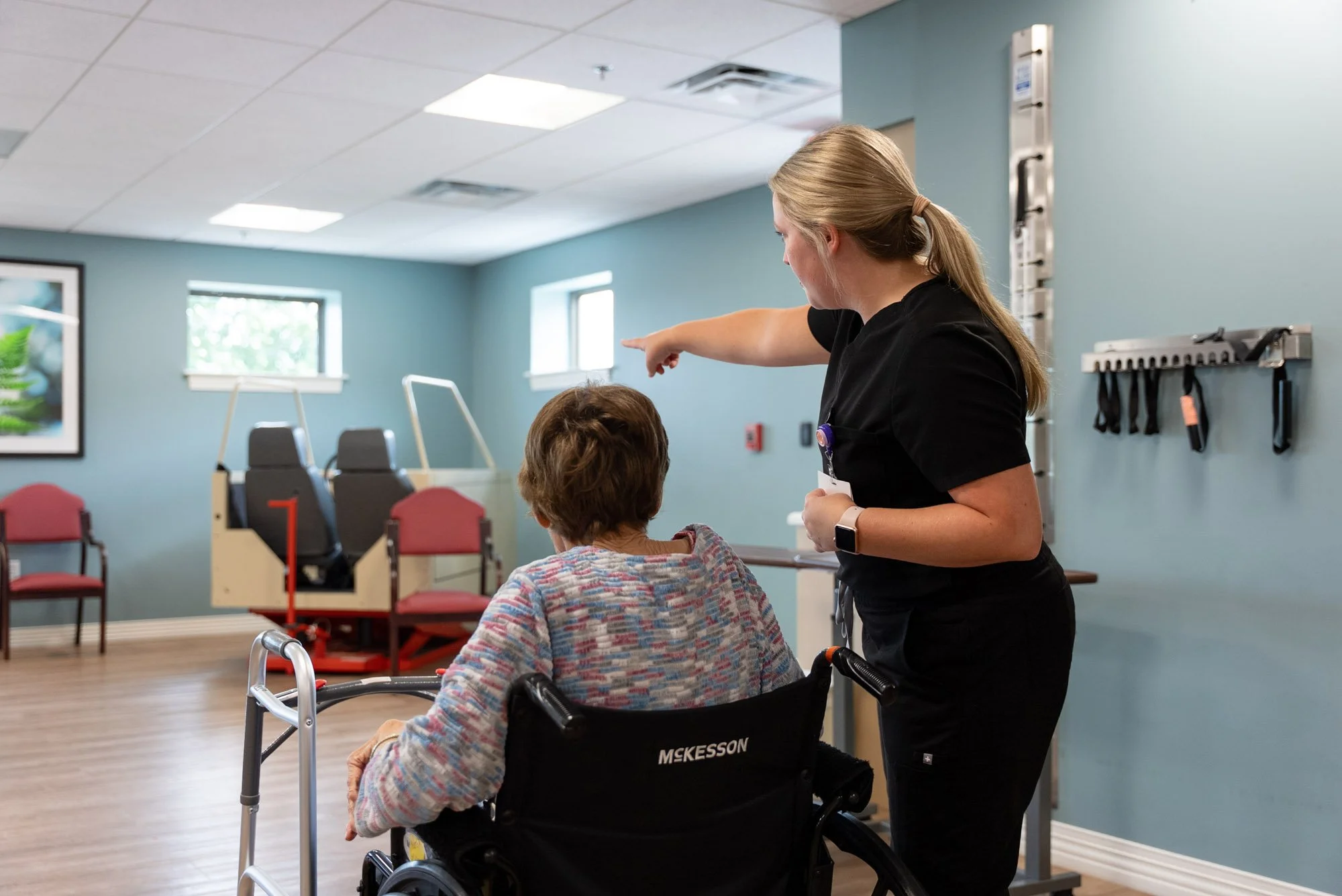
Occupational therapy can look different for every person who walks through the door. For Kelsey, an occupational therapist at VMRC, that is part of what makes the work so meaningful. Each person arrives with their own experiences, challenges and goals, and the role of therapy is to meet them where they are and help them move toward what matters to them.
Much of Kelsey's work takes place with people who are navigating a major transition after a hospital stay. There can be uncertainty about what comes next, changes that take time to adjust to and families who are learning alongside their loved one. In those moments, therapy becomes one part of helping people find their footing again.
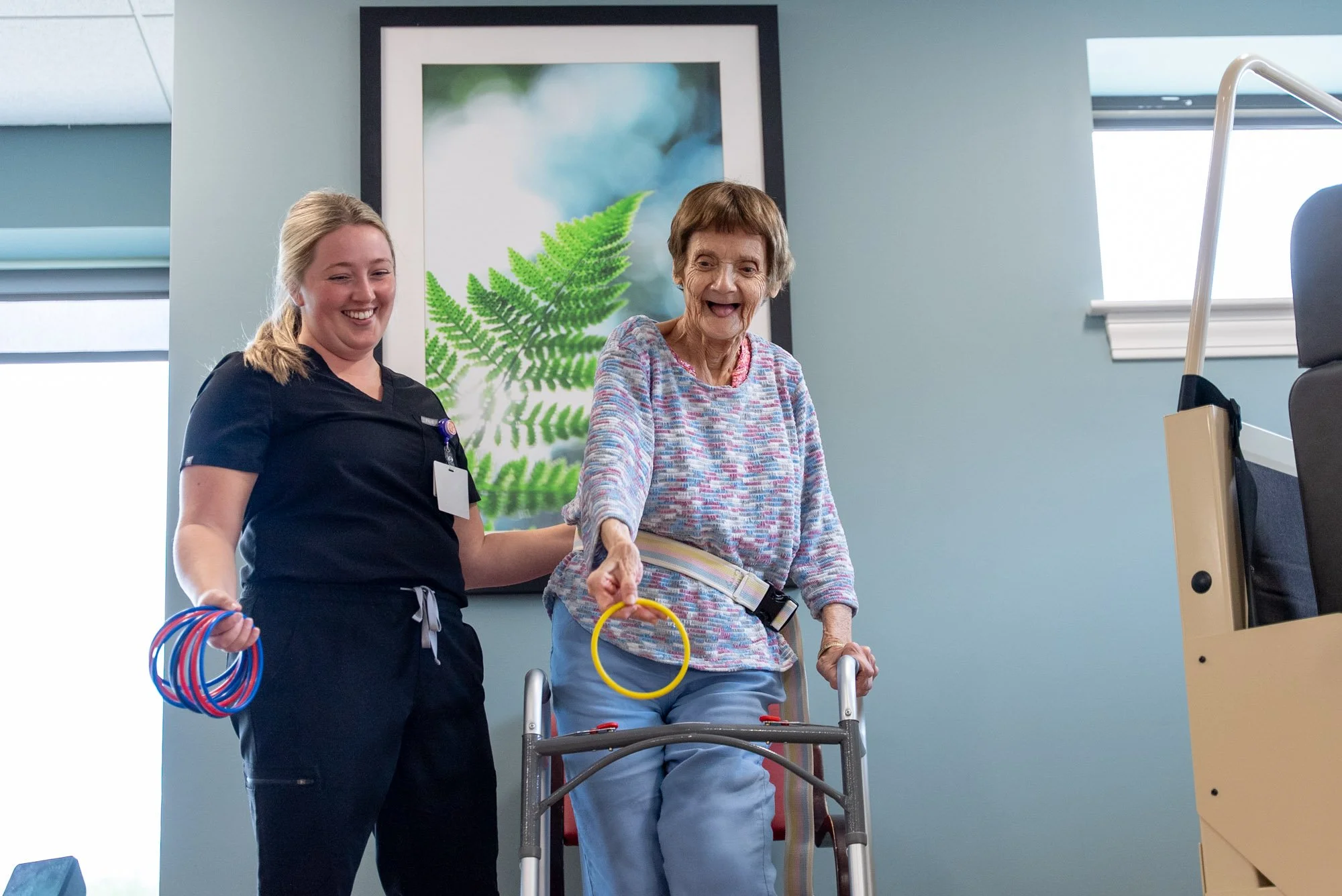
One experience in particular has stayed with Kelsey. A former patient returned to VMRC a few weeks after leaving and wanted to show Kelsey how well she was doing. After seeing the work that had gone into her recovery, watching her return with a renewed sense of confidence was a powerful reminder of why Kelsey chose this work.
Seeing the Person, Not Just the Progress
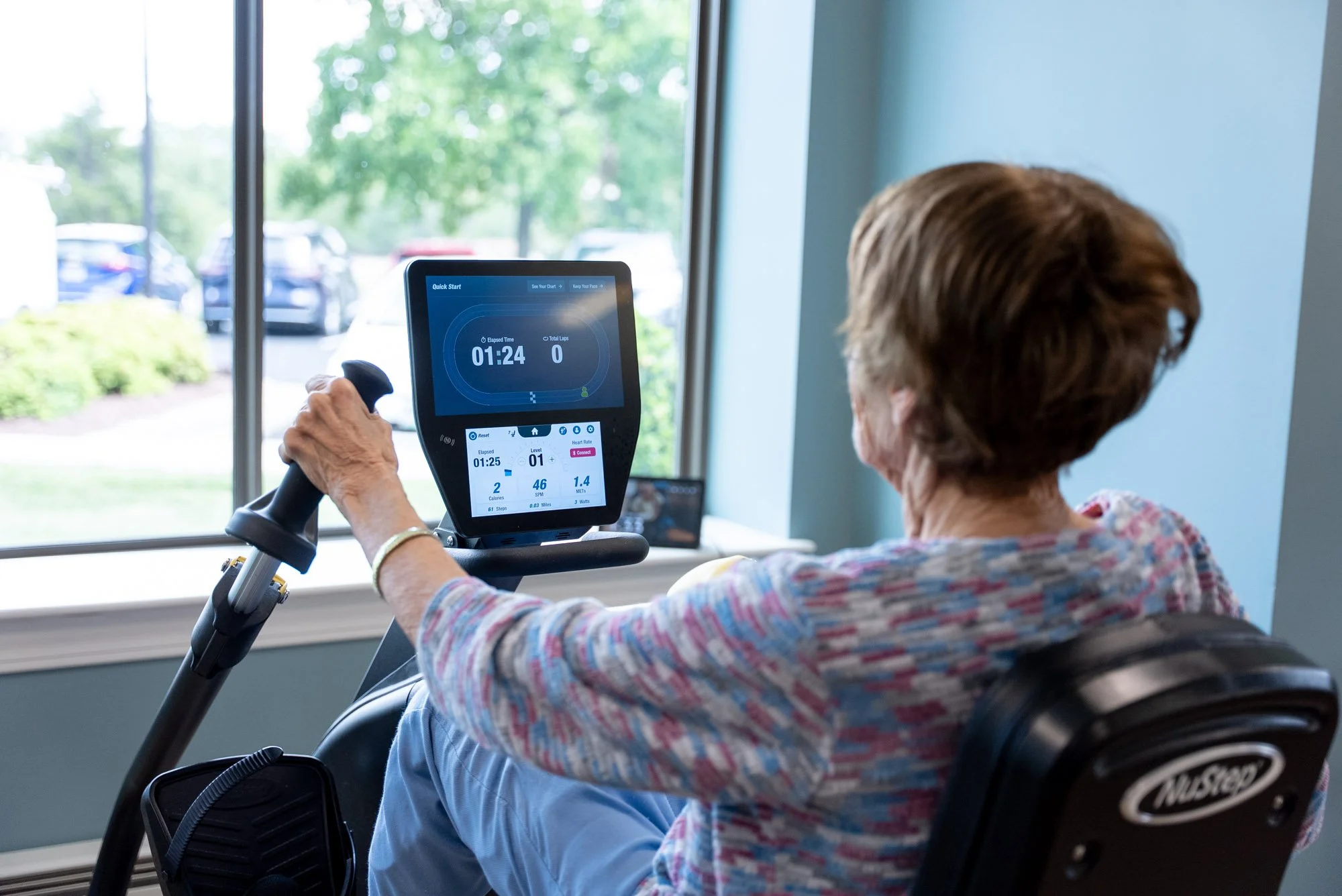
Occupational therapy is about helping people participate in the parts of life that are important to them. What that looks like can vary significantly from one person to the next, which means Kelsey has to understand more than where someone may need physical support.
She gets to know the person behind the diagnosis or injury, listens to what matters to them and works with them toward goals that feel meaningful. Sometimes that means rebuilding abilities that have been affected by an illness or injury. Other times, it means finding new ways to approach everyday life.
The progress may not always be obvious from the outside. For the person experiencing it, though, it can represent greater confidence, more independence or simply feeling more like themselves again.
What Happens Between Here and Home
For many people receiving therapy, recovery involves more than the individual. Family members may be adjusting to changes, learning how to provide support or trying to understand what the transition home will look like.
Kelsey works with families as part of that process. Communication and family training can help everyone better understand what a person needs and how they can support their continued progress beyond therapy.
That shared understanding can be especially important when there are still questions about what comes next. Kelsey has the opportunity to help residents and families navigate those questions together, one step at a time.
Where One Discipline Meets Another
Kelsey has spent the past two and a half years growing her career at VMRC after first joining the team as a PRN therapist. During that time, she has had the opportunity to work with people across several areas of the community, including Transitional Care, long-term care, assisted living and independent living.
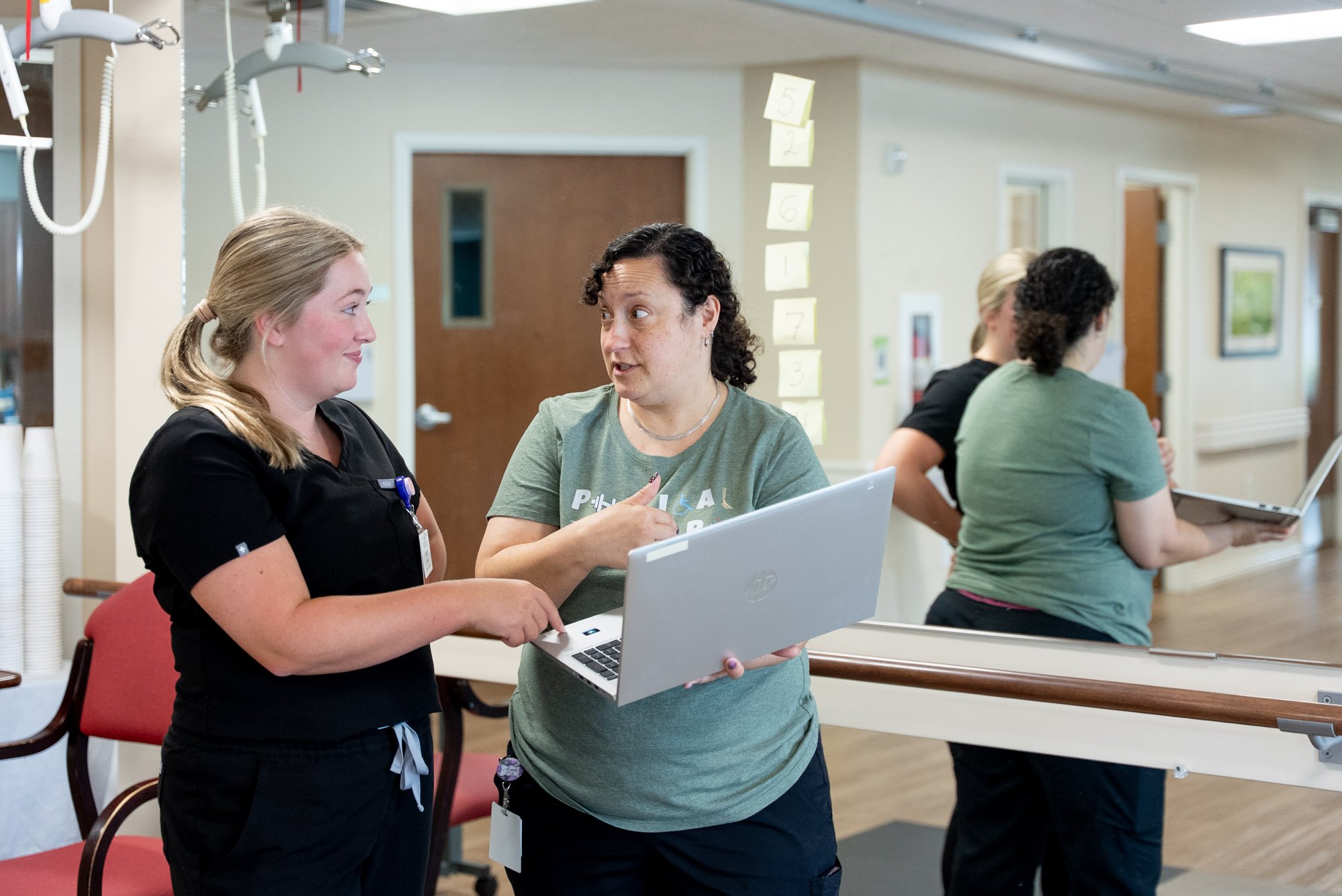
That variety has challenged her to keep learning. It has also given her the opportunity to work alongside colleagues with different areas of expertise, something she says has shaped the way she practices.
The therapy team stays closely connected throughout the day. Occupational, physical and speech therapists can share observations, talk through concerns and build on one another's knowledge. For Kelsey, that sense of working together is an important part of being able to provide thoughtful, coordinated care.
When the Work Comes Full Circle
Over the course of her time at VMRC, Kelsey has worked with people across many different stages of care and built a career that continues to challenge her and expand her perspective as a therapist. Those relationships are part of what has made the community feel like a long-term home for her.
And sometimes, those relationships come full circle in unexpected ways.
For Kelsey, it was a reminder of why the work matters. The goal was never simply to get someone through a therapy session. It was to help them move toward a life where they could do more, feel more confident and see possibilities beyond the difficult moment that first brought them to VMRC. If you’re interested in doing impactful work at VMRC, visit the career page using the button below.
