
When families begin evaluating a senior living community, they often compare residences, dining options, amenities, and healthcare services. Quality is often discussed in terms of ratings, inspections, and outcomes. Those are important considerations, but they don’t tell the whole story. Behind every meaningful resident experience, successful recovery, and moment of responsive support is a team of dedicated people.
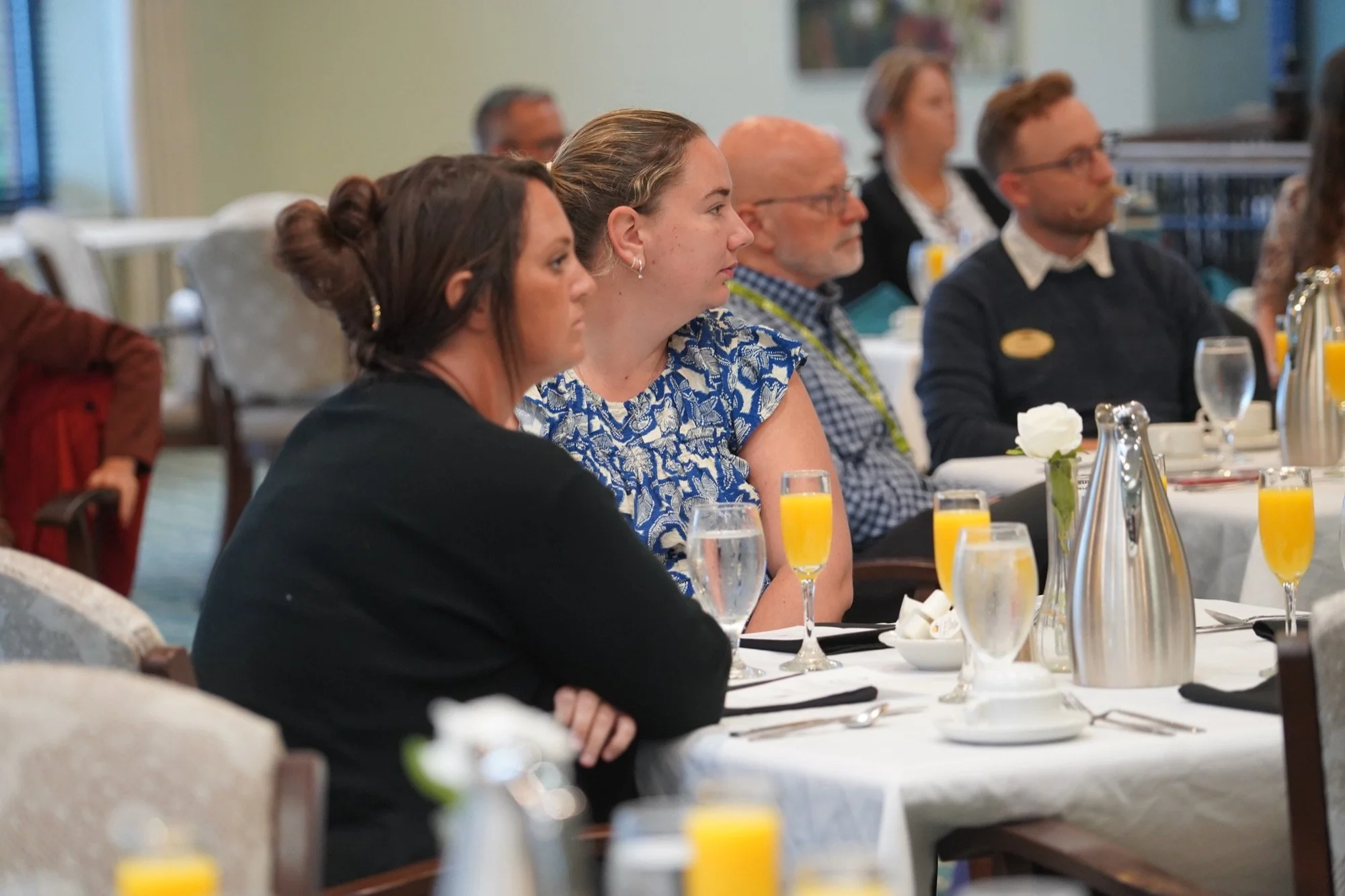
That idea was at the center of a recent presentation VMRC shared with the Harrisonburg-Rockingham Chamber. The discussion explored a question that doesn’t always receive the same attention as clinical measures or community amenities: how do workforce development, employee engagement, and workplace culture influence quality?
How Does Employee Retention Affect Senior Living?
Quality in a senior living community is ultimately experienced through people. Residents interact with team members across every part of community life, from dining and maintenance to transportation, wellness, healthcare, housekeeping, programming, and resident support.
Why Do Healthcare Workforce Shortages Matter?
Healthcare workforce challenges are not new, but they are becoming more difficult as demand for care grows and experienced professionals retire.
According to the U.S. Bureau of Labor Statistics Occupational Outlook Handbook for Registered Nurses, about 180,800 openings for registered nurses are projected each year from 2025 to 2035, largely because of employment growth and the need to replace nurses who leave the profession or retire.
Those national trends are reflected locally. Workforce projections shared during the Harrisonburg-Rockingham Chamber presentation estimated that the Harrisonburg area will need approximately 130 additional registered nurses over the next five years due to growth and retirements.
For senior living communities, workforce shortages can affect access to care, continuity of services, and long-term sustainability. Workforce challenges are one reason many organizations are investing in recruitment, retention, and professional development efforts.
What Is Workforce Development in Healthcare?
Workforce development is often discussed in terms of recruitment or as a response to staffing shortages. In practice, it is a long-term investment in quality. Workforce development also means creating pathways into healthcare careers, supporting continuing education, developing future leaders, and helping employees grow professionally.
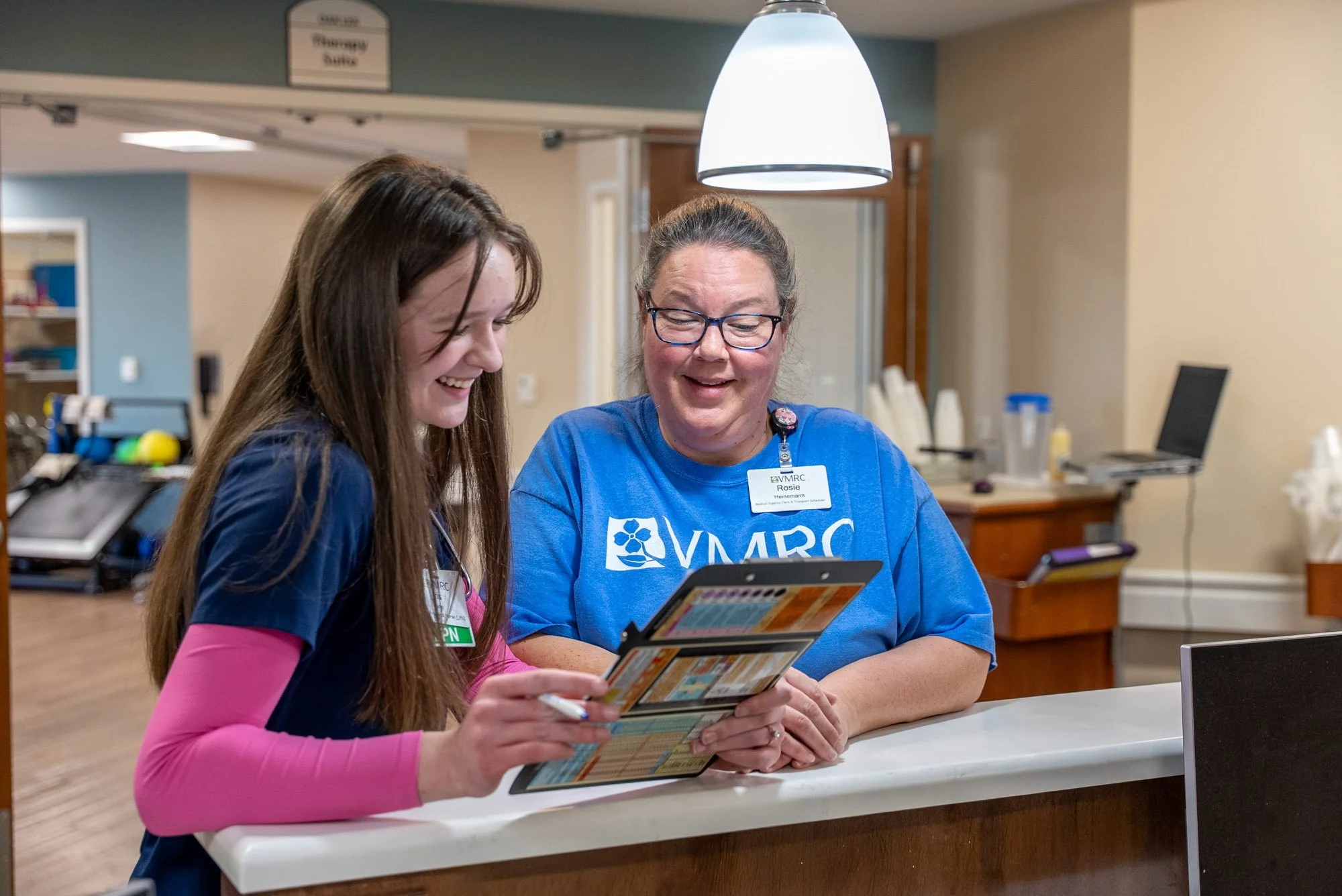
Those pathways can take many forms. At VMRC, dining team members have completed free, paid training to become Certified Nursing Assistants (CNA). Registered Medication Aides have pursued nursing school with scheduling support and encouragement from their teams. One employee’s path has taken her from CNA to Registered Medication Aide, with nursing school now in view.
The investment can also begin years before someone enters the profession. The Mary Reitz Nursing Scholarship supports VMRC employees and community members pursuing LPN or RN credentials by reducing the cost of nursing education. The scholarship offers up to three awards each year, two for VMRC employees and one for a community member pursuing nursing.
The benefits of workforce development are not always immediately visible. They show up as employees building new skills, experienced team members sharing knowledge, and people having opportunities to take on new responsibilities without necessarily leaving the organization. A scholarship recipient today may become the nurse supporting a resident’s recovery, mentoring a new employee, or leading a clinical team in the future.
What Role Does Workplace Culture Play in Quality Care?
Hiring talented professionals is only the beginning. Retaining them requires something deeper: a healthy workplace culture.
One phrase from the Chamber presentation captured the idea well:
“Recruitment gets them. Culture retains them.”
Residents rarely talk about retention rates. What they notice is whether relationships have the opportunity to develop over time. Continuity gives residents and team members more opportunity to know one another and build trust.
Research from the National Academy of Medicine Clinician Well-Being Resources highlights the connection between workforce well-being, employee engagement, organizational culture, and workforce stability. When employees feel supported and connected to their work, organizations are better positioned to retain experienced professionals and maintain consistency in care.
Residents may never see those workforce metrics, but they often experience the results.
How Does Staffing Influence Rehabilitation Outcomes?
The connection between workforce development and quality becomes especially visible in rehabilitation.
For residents recovering from a hospitalization, illness, injury, or surgery, progress often depends on more than a treatment plan. It depends on the people helping guide that recovery each day.
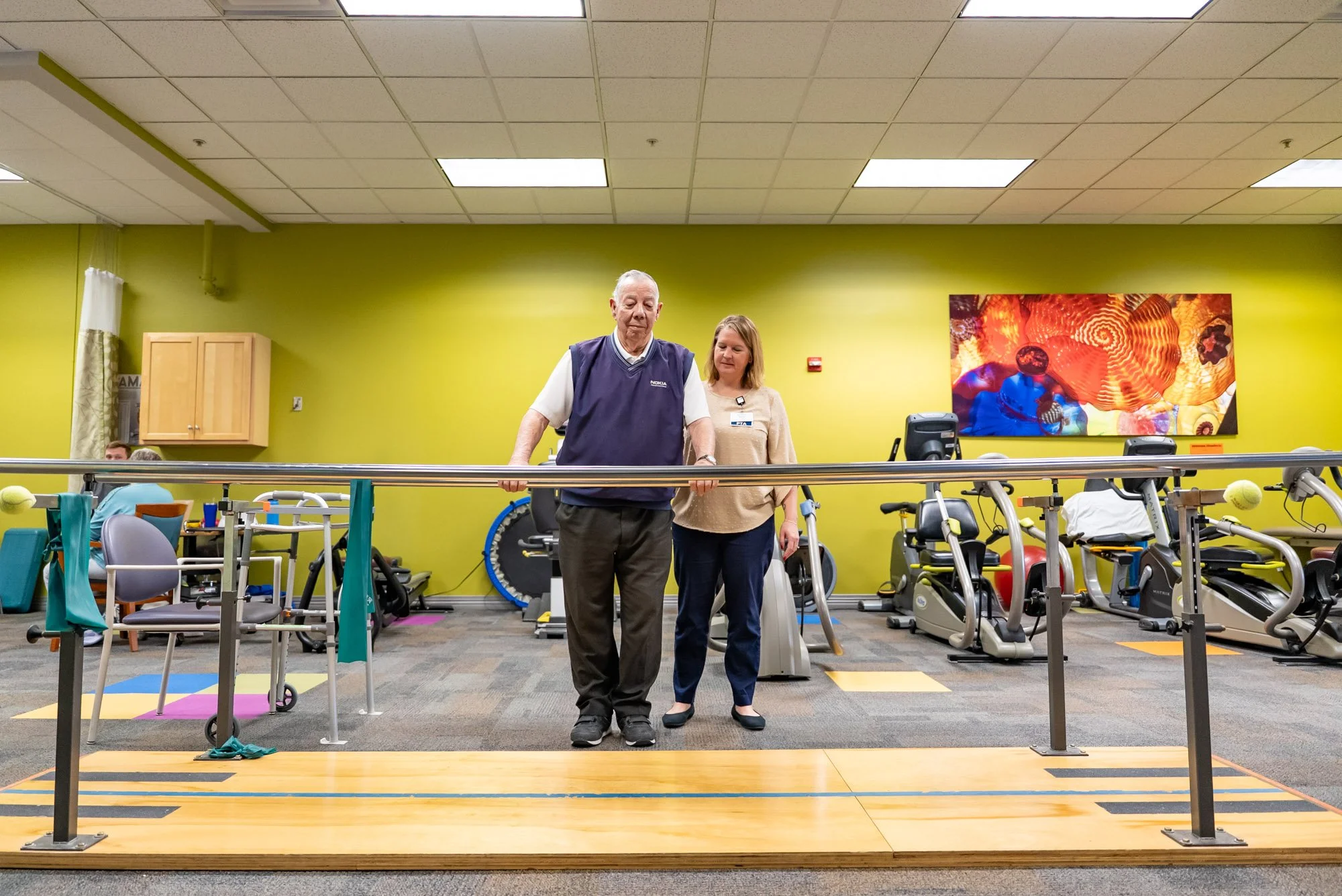
Nurses, certified nursing assistants, therapists, and interdisciplinary care teams work together to coordinate care, track progress, adjust goals, and support residents through the challenges of recovery. Clinical expertise matters, but so does consistency. When team members communicate well and have the experience to recognize changes quickly, residents benefit from a more coordinated rehabilitation experience.
Families often see the difference in practical ways. Expectations are clearer, communication is stronger, and care feels more connected. The skills, experience, and continuity of the people providing care directly influence the progress residents make.
What Measures Matter Most When Evaluating Senior Living Quality?
Families evaluating senior living communities will always pay attention to ratings, inspection reports, rehabilitation outcomes, and staffing measures. They should. Those measures provide valuable insight into how an organization is performing.
At the same time, some of the most meaningful indicators of quality are reflected in everyday experiences: a resident who feels connected to the community, a family that feels informed and supported, a successful recovery after an illness or hospitalization, or the confidence that comes from knowing help is available when it’s needed.
Many of the things people value most about a community can be difficult to capture in a single score or report. They are experienced through relationships, consistency, trust, and the daily interactions that shape life within a community.
The measures we track offer important insight, but they are also the result of something less visible.
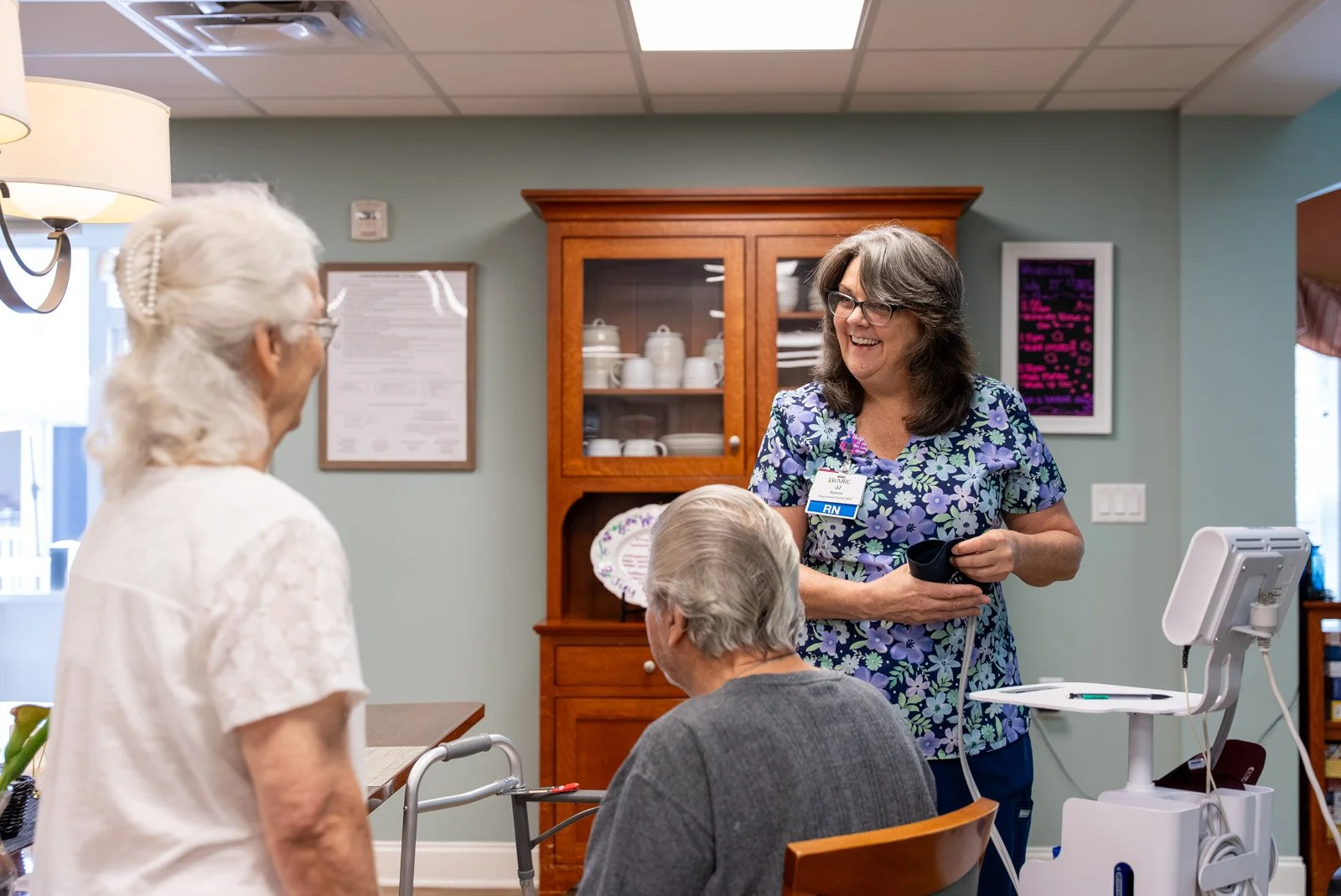
Behind every rehabilitation success is a therapist. Behind every positive dining experience is a team member who remembers a resident’s preferences. Behind every well-maintained space is someone who takes pride in their work. Behind every meaningful outcome is a group of people whose care, expertise, and commitment shape daily life for residents.
The conversation about quality often begins with outcomes. Increasingly, it may be worth considering the people behind those outcomes as well.
Learn more about VMRC’s Independent Living, Assisted Living, and Nursing Care options.
